


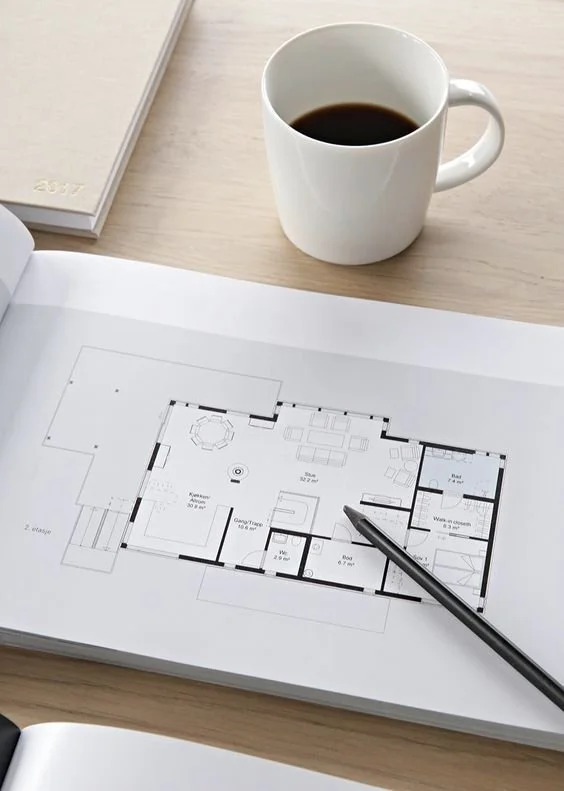
Have you ever stared at an empty living room, feeling overwhelmed by the possibilities? I know the feeling! Creating a living room that looks good and works well is a time consuming task. It’s a crucial part of interior design that can make or break a space. Not only does it impact how a room looks, but also how it feels and functions. In this post, I’ll share my tips on creating a layout that works for you. Just to note that this post is not about how to decorate your living room but more on the functional space planning.
Start drawing instead of searching for a ready solution
Instead of searching internet for the perfect layout, start with a pen and paper. Draw a simple room outline, focusing on walls and architectural details like windows and doors. Don’t worry about small details.
Before planning, consider how you’ll use the room and make a list of your room’s functions. Common living room functions include, eating, watching TV, socializing, reading, working, playing games and relaxing. My living room is used for playing with our daughter, watching TV, playing music and relaxation.
Consider architectural elements (doors, windows, built-ins, fireplace) and furniture size and shape. Create different areas for each function and analyze their interaction.
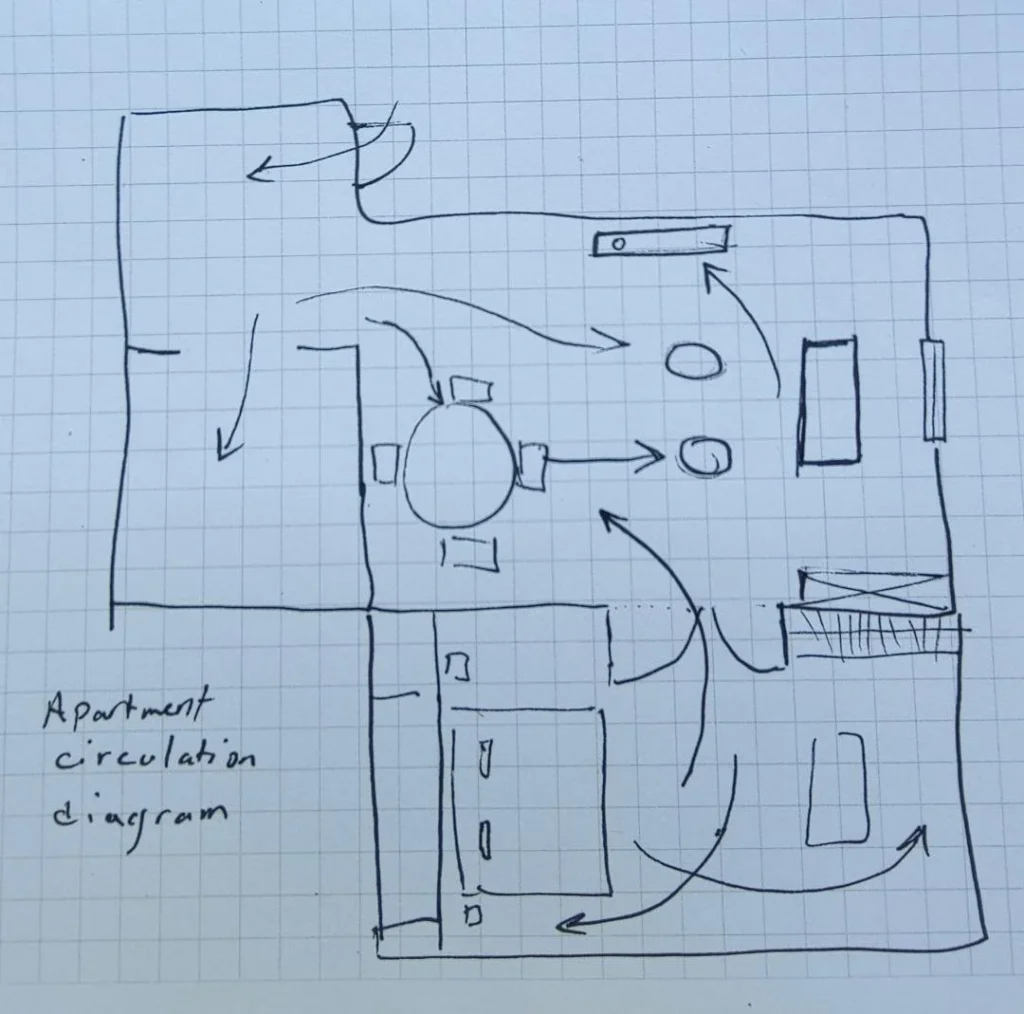
How you want to use your room will help you decide how to arrange your furniture later. Try to think about where you’ll walk through your room and mark them on your drawing. In the end after few iterations, you’ll find the best way to set up your space.
There are some principles that might help you define different zones of your living room and the circulation path. How efficient is it to get to a point, how does the movement divide your space and how does it make you feel?
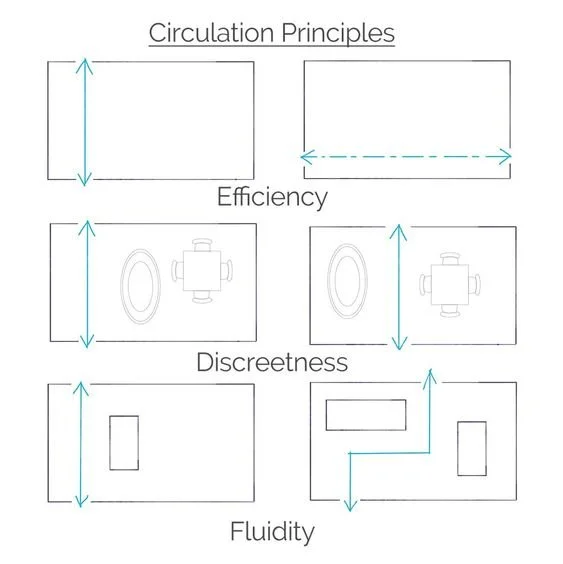
These rules are the most important considerations designing any space. But there are many other tips you can use to plan a layout to set the mood and vibe you’re looking for that I will write about here. The list can be really long and each designer might have their own way of interior design space planning.
Seperate the zones
If your living room has different functions like lounge area, work statation and dining room, try to separate these zones to create a calm athmosphere. Having undedicated and not seperated areas can lead to a battle between furnitures pieces and might feel overwelming and cluttred. There are different ways to seperate zones in a living room. Using areal rug, using dedticated light source and creating a cluster of furniture pieces to create a closed spaces are some ways to achieve this. Sometimes following the architecture of the room such window or door line can also help you to define broundires of different functions in your room .
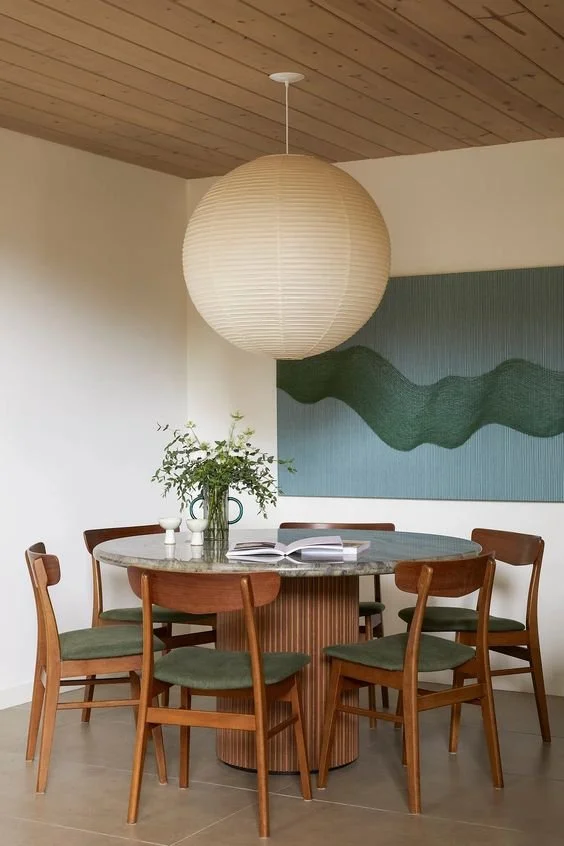
Photo Credit: Cathie Hong Interiors